

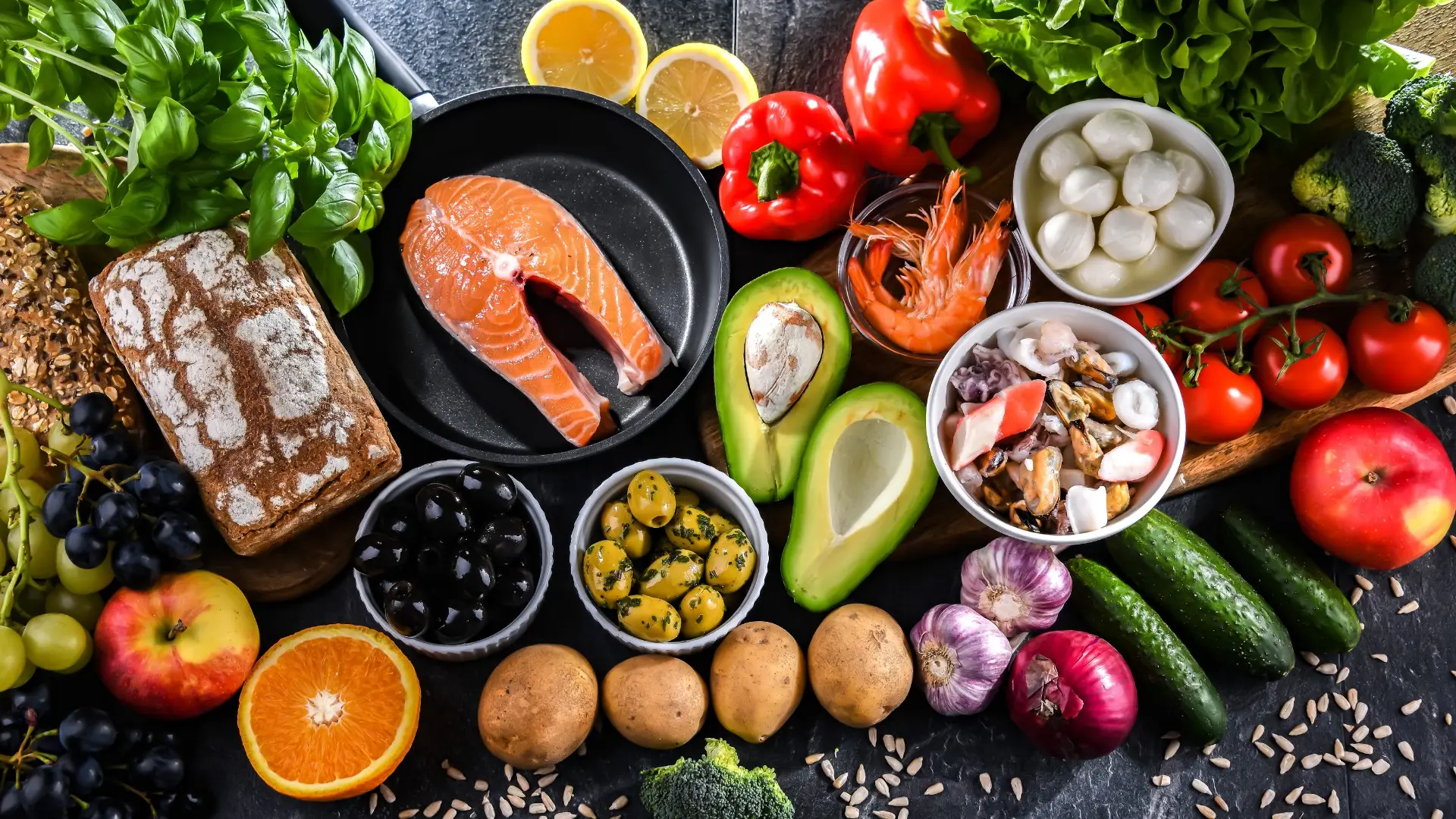
Is there such thing as an anti-inflammatory diet?
Scroll through social media and you’re likely to come across posts about the anti-inflammatory diet. So, what exactly is an anti-inflammatory diet? An anti-inflammatory diet is not a standardized or prescribed diet, but rather a pattern of healthy eating designed to help reduce inflammation and promote overall health. This way of eating emphasizes foods that contain bioactive compounds, which are natural chemicals found in foods that help protect cells from damage, fight infections, and support the body’s defense mechanisms to reduce inflammation.1,2
An anti-inflammatory dietary pattern
Research suggests that making dietary changes to lower inflammation in the body may be a promising way to reduce the risk of chronic diseases and other health complications.2,3,4,5,6,7 Research recommends including the following foods as much as possible to adopt an anti-inflammatory eating pattern:
- Whole, or minimally processed foods
- Colorful fruits and vegetables (Their vibrant colors come from phytonutrients, plant compounds that help regulate inflammation and protect cells from damage.)
- Whole grains (like barely, bulgar, brown or wild rice, farro, whole oats, quinoa)
- Lean proteins (like fish and legumes)
- Healthy fats (like nuts, seeds, fatty fish)
- Probiotic-rich foods (like yogurt and kefir)
- Herbs and spices (like black pepper, cardamom, cinnamon, cumin, clove, garlic, ginger, red pepper, rosemary, saffron, and turmeric).2,4,7
Rather than focusing on individual foods, it is important to eat plenty of whole fruits and vegetables and combine nutrient-dense foods from different food groups for optimal health.4 For example, you could toss a variety of colorful vegetables in a tablespoon of olive oil, season with minced garlic and spices, sprinkle on some chopped walnuts, and serve alongside grilled salmon. It is equally important to limit pro-inflammatory foods that may trigger or sustain chronic inflammation, such as refined carbohydrates, fried foods, added sugars, processed meats, and unhealthy fats.8 Using healthy cooking methods, such as steaming, boiling, and stewing, is also recommended.4
The Mediterranean Diet
One dietary pattern that has a name you may recognize is the Mediterranean Diet. The Mediterranean diet has repeatedly been cited as a model for anti-inflammatory eating, demonstrating prominent reductions of inflammatory biomarkers (measurable signs of inflammation in the blood).2,3,4,5,6
The Mediterranean diet’s mix of fruits, vegetables, whole grains, legumes, nuts, olive oil, and fish may help reduce inflammation and oxidative stress (cell damage caused by unstable molecules), while strengthening the body’s ability to protect itself.9 To learn more about the specifics of this eating style see Mediterranean Diet Benefits and Guidelines.
How food might help
Though we know that certain eating patterns are linked to lower levels of inflammation in the blood, the step-by-step processes behind this are still not clear. The benefits food may have on reducing inflammation likely occur through several overlapping processes rather than a single pathway.9
That said, certain components in food contribute to anti-inflammatory effects in several ways. Some examples of foods containing these components include:
- Healthy Fats: Omega-3 fatty acids (e.g. fatty fish such as salmon, flaxseed, chia seed, and walnuts) and monounsaturated fats (e.g. olive oil, canola oil, avocados, nuts, and seeds) help lower inflammation.2
- Phytochemicals, Antioxidants, and Polyphenols: Phytochemicals are natural plant compounds found in herbs and spices (e.g., black pepper, cardamom, cinnamon, cumin, clove, garlic, ginger, red pepper, rosemary, saffron, and turmeric);7 antioxidants are present in fruits, vegetables, nuts, seeds, and herbs; and polyphenols are found in extra virgin olive oil, legumes, tea, coffee, and dark chocolate. These compounds protect cells from damage and support healthy immune function.2
- Vitamins and Minerals: Vitamins A, C, and E and minerals such as zinc, copper, and selenium act as antioxidants (e.g. citrus fruits, berries, vegetables, nuts, seeds, legumes, and fish).2
- Dietary Fiber and Probiotics: Dietary fiber from plant foods (e.g. whole grains, fruits, vegetables, legumes, nuts, and seeds) and probiotics (e.g. fermented foods like yogurt, kefir, sauerkraut, and pickles) promote gut health and help regulate inflammation.2
- Low Glycemic Foods: Foods with a low-glycemic index (e.g., whole grains, legumes, and non-starchy vegetable) help regulate blood sugar and reduce inflammation.2
Why chronic inflammation matters
When inflammation continues over time it can contribute to the development of many chronic diseases, including autoimmune disorders, cardiovascular disease, neurological disorders, diabetes, and certain cancers.3,4 Chronic inflammation can occur when the body’s immune response is constantly active. This ongoing, low-level inflammation can exhaust the immune system, leaving fewer immune cells available to fight infections. Over time, it may damage healthy tissues throughout the body and increase the risk of chronic diseases.10,11
You may or may not know if you have chronic inflammation, as it often acts silently before you have any symptoms.10 Choosing a combination of healthy foods with anti-inflammatory properties may protect you against chronic inflammation. The benefits of this dietary approach could be enhanced by combining it with healthy lifestyle choices, including being physically active, avoiding or quitting tobacco, limiting alcohol intake, maintaining a healthy weight, and aiming for 7-9 hours of quality sleep each night.12,13
A pattern, not a prescription
Current evidence shows that our overall dietary patterns matter and eating primarily whole, minimally processed foods – particularly fruits, vegetables, whole grains, legumes, healthy fats, herbs, and spices – is associated with lower levels of inflammatory biomarkers. While research continues to clarify the precise biological mechanisms, the broader message is clear: Long-term dietary patterns appear to play a meaningful role in supporting immune regulation and overall health. Take small steps today to fill your plate with nutrient-rich, minimally processed foods, explore new fruits and vegetables, and build eating habits that support your health for the long term.
References
- Alvarez-Leite JI. The Role of Bioactive Compounds in Human Health and Disease. Nutrients. 2025 Mar 28;17(7):1170. doi: 10.3390/nu17071170.
- Yu X, Pu H, Voss M. Overview of anti-inflammatory diets and their promising effects on non-communicable diseases. Br J Nutr. 2024 Oct 14;132(7):898-918. doi: 10.1017/S0007114524001405.
- Koelman L, Egea Rodrigues C, Aleksandrova K. Effects of Dietary Patterns on Biomarkers of Inflammation and Immune Responses: A Systematic Review and Meta-Analysis of Randomized Controlled Trials. Adv Nutr. 2022 Feb 1;13(1):101-115. doi: 10.1093/advances/nmab086.
- Stromsnes K, Correas AG, Lehmann J, Gambini J, Olaso-Gonzalez G. Anti-Inflammatory Properties of Diet: Role in Healthy Aging. Biomedicines. 2021; 9(8):922. https://doi.org/10.3390/biomedicines9080922.
- Sánchez-Rosales AI, Guadarrama-López AL, Gaona-Valle LS, Martínez-Carrillo BE, Valdés-Ramos R. The Effect of Dietary Patterns on Inflammatory Biomarkers in Adults with Type 2 Diabetes Mellitus: A Systematic Review and Meta-Analysis of Randomized Controlled Trials. Nutrients. 2022 Oct 31;14(21):4577. doi: 10.3390/nu14214577.
- Schwingshackl L, Hoffmann G. Mediterranean dietary pattern, inflammation and endothelial function: a systematic review and meta-analysis of intervention trials. Nutr Metab Cardiovasc Dis. 2014 Sep;24(9):929-39. doi: 10.1016/j.numecd.2014.
- Kunnumakkara AB, Sailo BL, Choudhary H, Banik K. Chronic diseases, inflammation, and spices: How are they linked? Journal of Translational Medicine. 2018 Jan 16(1). doi: 16. 10.1186/s12967-018-1381-2.
- Harvard Health. Foods that fight inflammation. February 24, 2026. Accessed February 25, 2026. https://www.health.harvard.edu/newsletter_article/foods-that-fight-inflammation.
- Koelman L, Egea Rodrigues C, Aleksandrova K. Effects of Dietary Patterns on Biomarkers of Inflammation and Immune Responses: A Systematic Review and Meta-Analysis of Randomized Controlled Trials. Adv Nutr. 2022 Feb 1;13(1):101-115. doi: 10.1093/advances/nmab086.
- Mayo Clinic. Chronic inflammation: What it is, why it’s bad, and how you can reduce it. January 3, 2024. Accessed February 25, 2026. https://mcpress.mayoclinic.org/dairy-health/chronic-inflammation-what-it-is-why-its-bad-and-how-you-can-reduce-it/.
- Bowman A. Aging and the immune system: Strengthening your body’s defenses. Mayo Clinic. February 22, 2024. Accessed February 25, 2026. https://mcpress.mayoclinic.org/healthy-aging/aging-and-the-immune-system/.
- Cleveland Clinic. Inflammation: What you need to know. July 3, 2025. Accessed February 25, 2026. https://my.clevelandclinic.org/health/symptoms/21660-inflammation.
- National Sleep Foundation. How much sleep do you really need? November 17, 2025. Accessed February 25, 2026. https://www.thensf.org/how-many-hours-of-sleep-do-you-really-need/.